Where do you start
Not with the tool. With the question you have not made sharp yet. I show you how to get that one out in the open first.

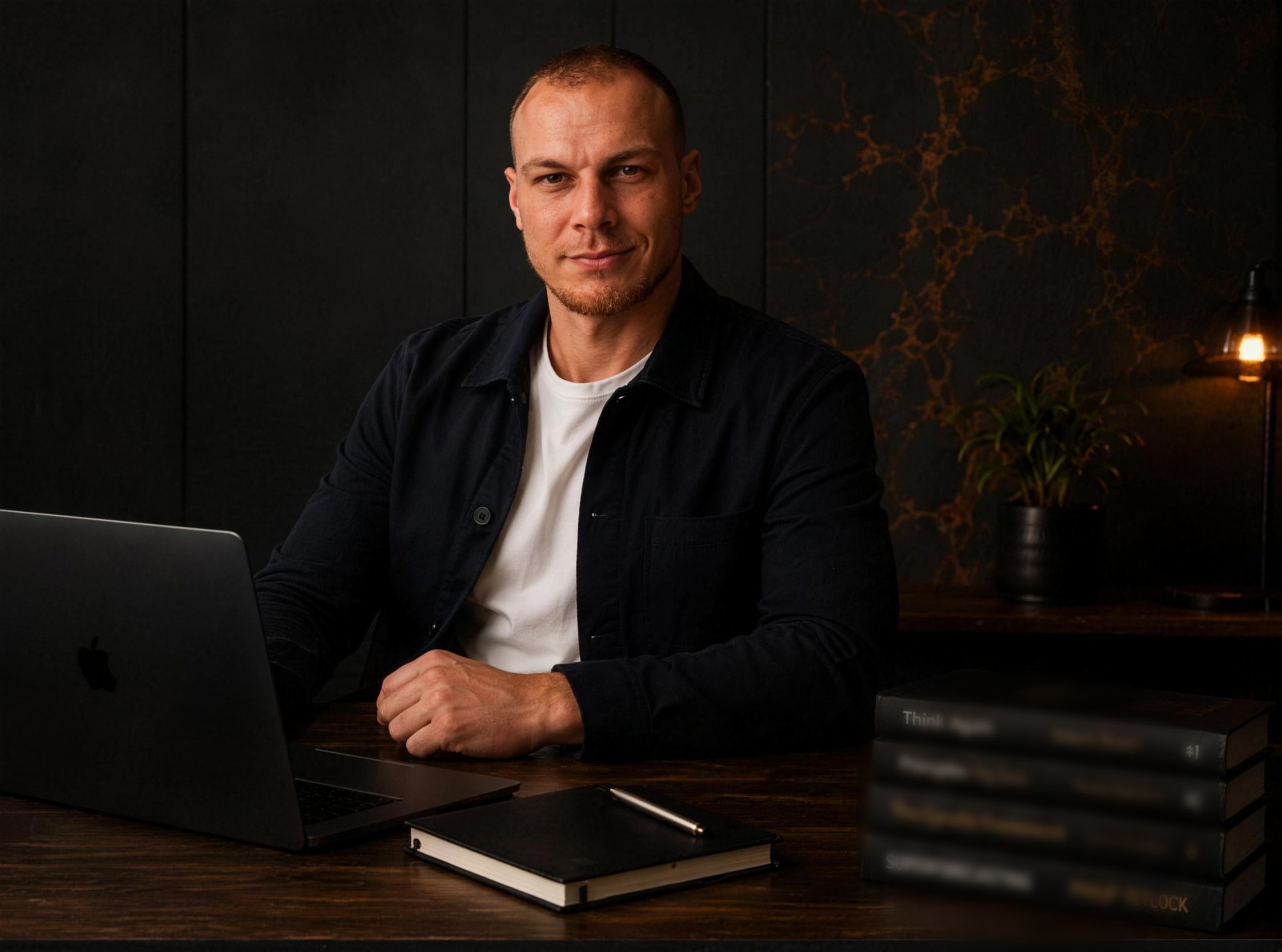
Nick Takkenberg · entrepreneur and innovation adviser
Innovation rarely fails on ideas. It fails on decision making. I help boards actually reach decisions with AI, and I bring that same story to the stage.
Theoretical or practical
The one
Speaks about everything AI can do. Impressive demos, big numbers, a room that walks out full of enthusiasm. On Monday nothing has changed.
The other
Builds it himself, runs into the walls, and shows what did and did not work. Including the things that failed. That is where I sit.
The framework from the talk
Seven steps from observing to scaling. At GO / NO-GO the decision falls: carry on, adjust or stop.
The talk
Not with the tool. With the question you have not made sharp yet. I show you how to get that one out in the open first.
And where it does not. With real examples from my own companies, including what went wrong.
A framework you can use on Monday to work it out yourself: carry on, adjust or stop.
Working principles
We take the time to get clear on what is actually going on.
No context, no innovation. First look at how the system works.
We look for the simplest solution that works.
Small steps, fast learning. An experiment is a design too.
Better a decision that has been made than an analysis that keeps running.
Impact first, then scale. Scaling what does not work yet only makes it bigger.
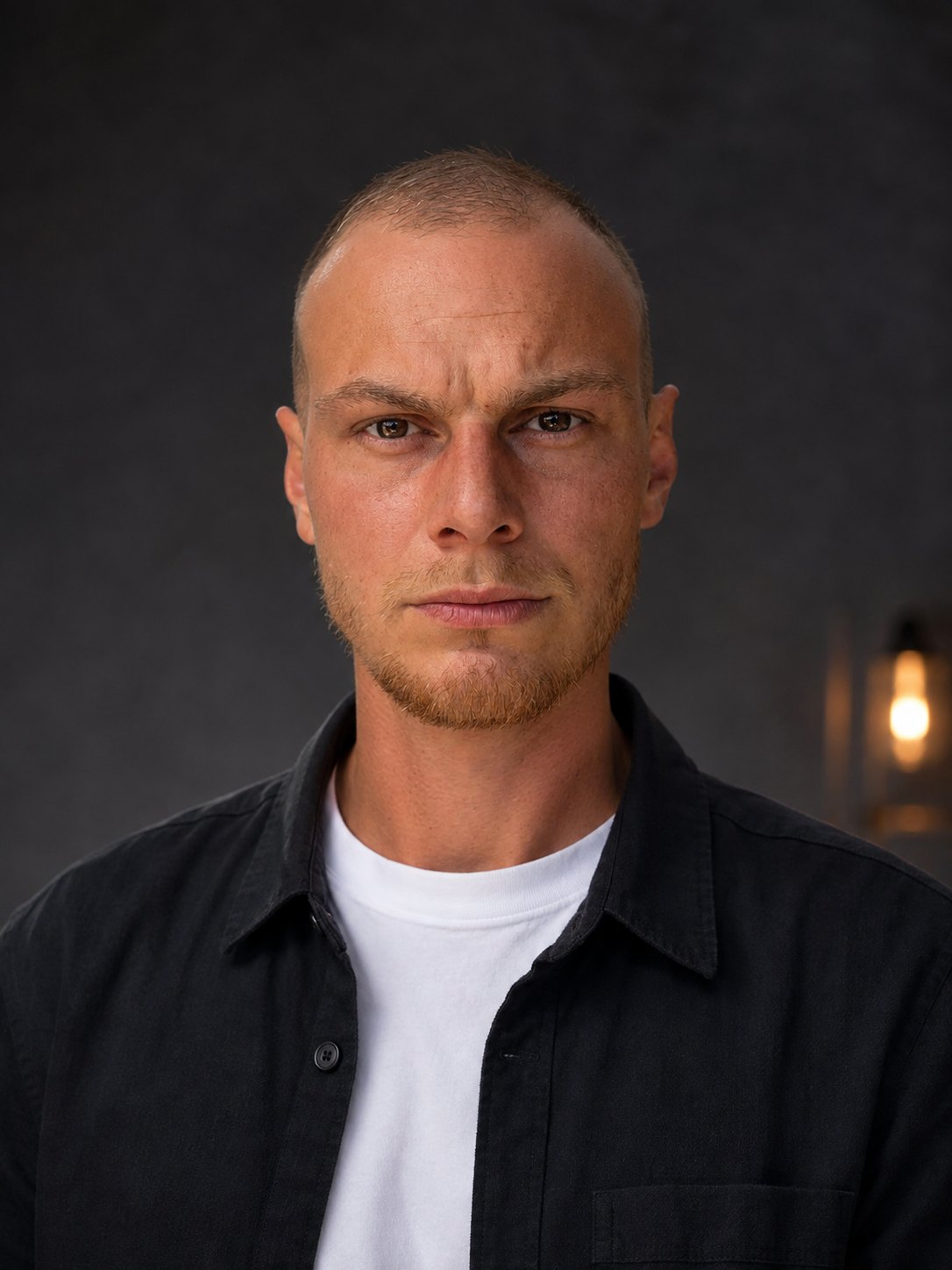
Who Nick is
I am an entrepreneur and innovation adviser. Founder of Beacy and co-founder of Takkenberg & Westerveld. My ground is the fuzzy front end. The stage where the problem is still vague and the wrong choice gets expensive.
I work with owners and boards who are willing to innovate. From law firms to mechanical services companies. The sector differs, the question does not: you have to decide while you are not yet sure.
I am not an analyst. I build to find out whether something holds up. Write down the assumption, make something small, put it in front of real people, then look at what the evidence says. Sometimes that comes back as “I was wrong”. Then I stop, and that is exactly the point.
Innovation and AI belong together, but they are almost always organised apart. The innovation side does not know what is technically possible, the AI side does not know which problem it solves. That is where my work sits. You will not get a report for the drawer from me, you will get a decision that has been made.
Book me as a speakerI do not talk about AI, I build with it. The seven steps below come out of the work at Beacy and Takkenberg & Westerveld, not out of a book.

Book Nick
Tell me who is in the room and what you want them to do differently on Monday. Then I build the talk around that. If it is not a fit, I will say so.
You will always get an answer, even if it is no.
The best decisions come from better questions, not from more information.